A Memory Worth Keeping
I keep coming back to something Bill and I have been talking about: what happens after we save something?
A passage from a book. A conversation. A thought that felt worth writing down. We can keep all of it now. Finding a place to put it takes almost no effort.
Returning to it is harder.
The thing that made a passage worth saving often belongs to a particular moment. A problem we were working through. Something a friend said. A question we didn’t yet know how to ask.
A folder can hold the passage. It rarely holds all of that.
The desk
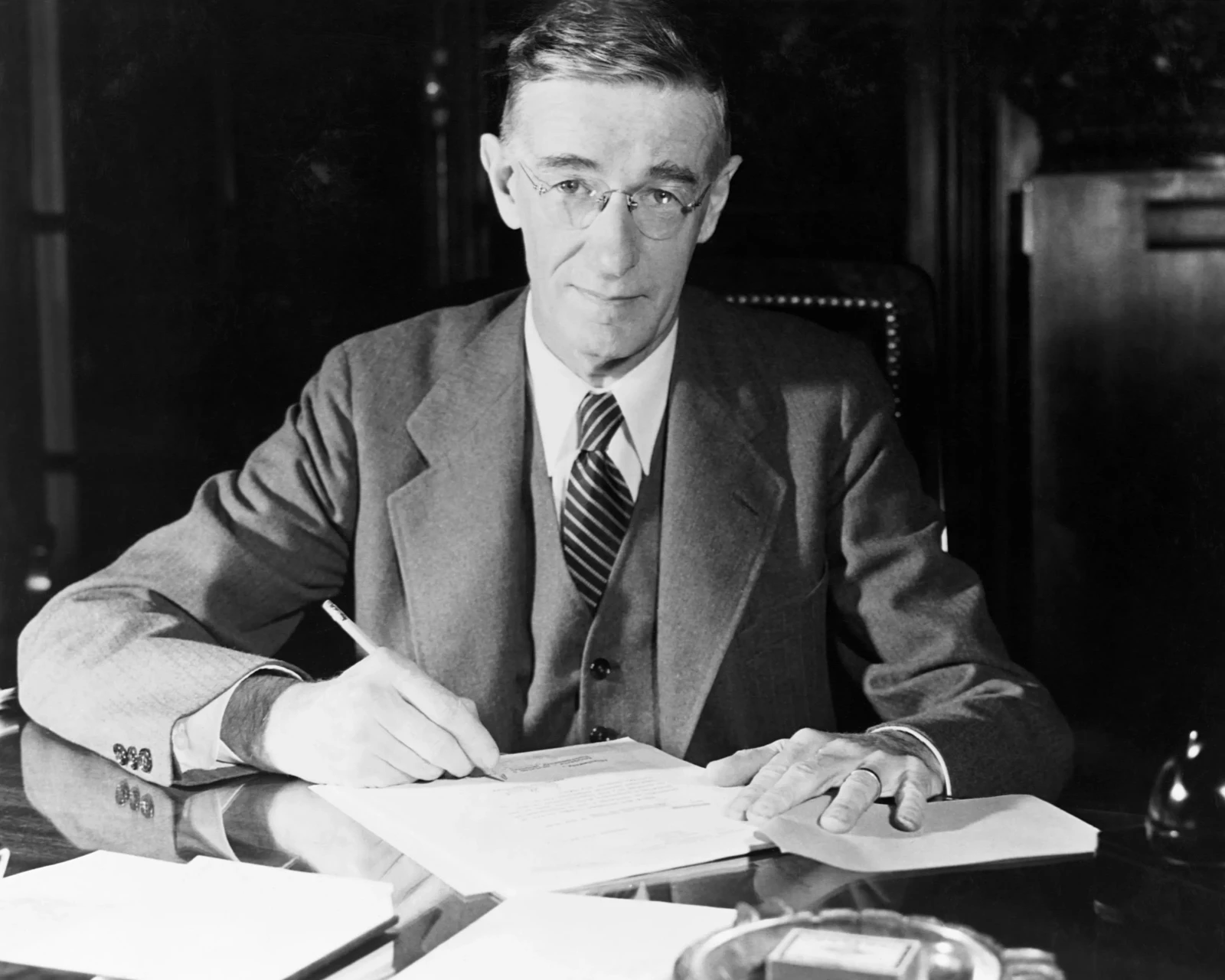
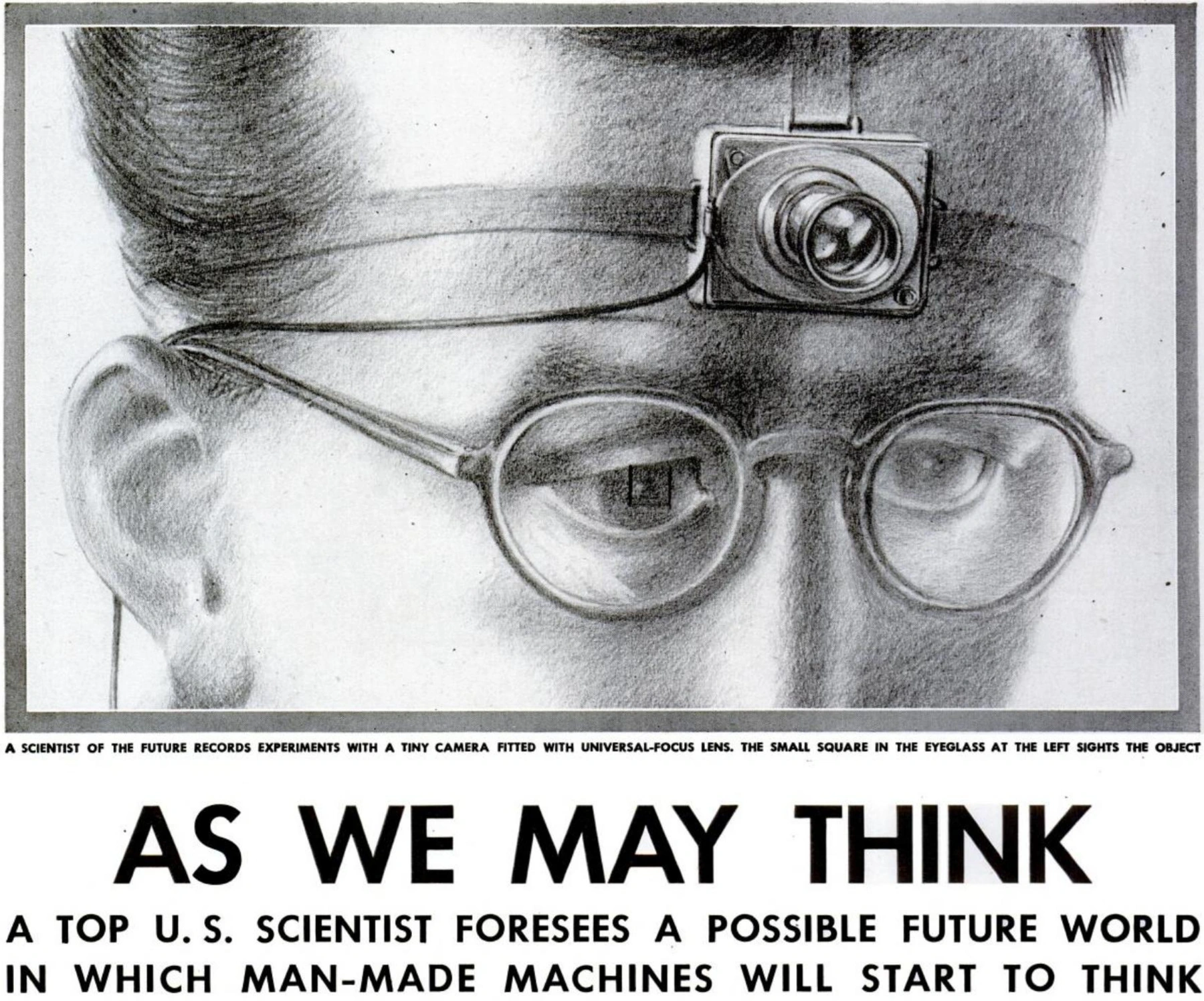
In 1945, Vannevar Bush described a machine called the Memex in an essay titled As We May Think.
He imagined a desk built around microfilm, with screens and controls for consulting a person’s books and records. The machine was a proposal, not a computer he had built.
What interests me is how a person would move through it. They could join one item to another and preserve a trail through the material. The connection itself became something they could return to.
It is a small distinction with a lot inside it. A collection tells you what you kept. A trail lets you see how you were thinking.
Coming back to a thought
Bill and I have spent a lot of time on the difference between having information available and actually doing something with it.
I recognize this in my own writing. I can discover an idea and feel as if I have understood it. Then I try to explain it, or use it to make a decision, and find out how little time I have really given it.
There is work between finding a thought and making it part of how you see. You reread it. You disagree with it. You try it against something that happened to you. Sometimes you set it aside for months.
A useful tool would make that return easier. It would let the years accumulate without flattening every moment into another search result.
Who does the thinking?
This matters more as software gets better at producing an interpretation of whatever we put into it.
An explanation can be helpful. It can also arrive before I have had the chance to form one myself. The language is there. The feeling of completion is there. I still have to ask whether I did the thinking.
Bush’s proposal gives me a way to look at that problem. A personal record can help someone follow a question across their life. It can preserve the material and the path without deciding what the person ought to conclude.
I would like more tools that leave that room.
A place to return to something I once noticed. Enough context to remember why it mattered. A little less hurry to tell me what it means.
Doug Engelbart and his SRI team demonstrate NLS on 9 December 1968. SRI International’s highlights, linked by the Smithsonian’s Lemelson Center.
Watch on YouTube