Keep It Together
Keeping an organisation together means making its people work toward the same customer.
2 minute read / excerptBegin readingOne of the greatest corporate turnarounds in history started with a new CEO refusing to do the one thing everyone told him to do.
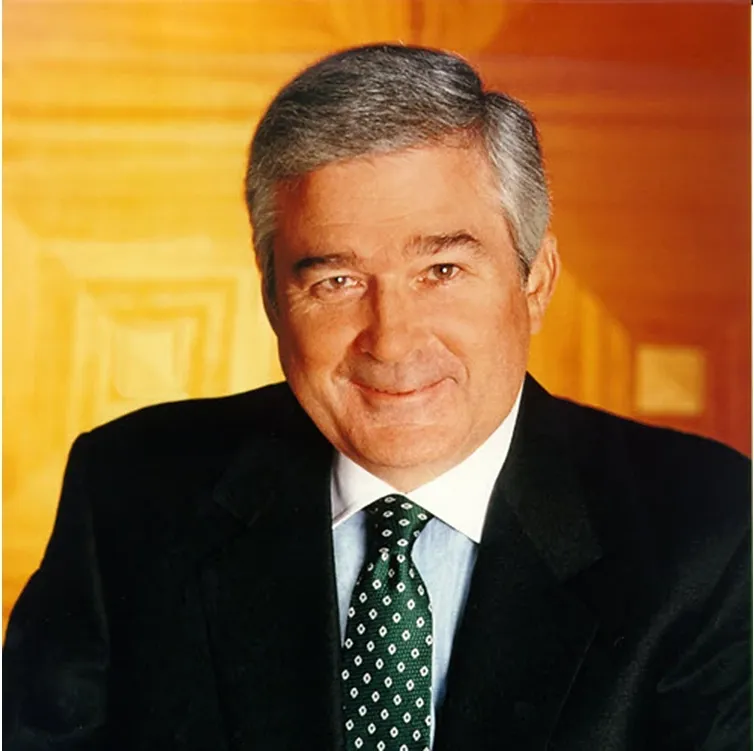
In 1993, Lou Gerstner took over IBM. The company had just lost $8 billion in a single year. Investment bankers were pricing each division for sale. Nearly everyone agreed: break it apart.
Gerstner killed that plan. He believed the real value wasn't in IBM's individual pieces. It was in the ability to pull all of them into something a customer could actually use.
But keeping IBM together on an org chart was the easy version of that decision. Making the pieces actually behave like one company was the real work. And the texture of the dysfunction was almost hard to believe. Divisions ran as rival kingdoms. Units hid information from each other. Teams spent their days negotiating internal transfer prices instead of serving customers. The head of IBM's European business was quietly intercepting the new CEO's emails so his people wouldn't even read them.
And senior people had learned to preside over the work instead of doing it. Early on, Gerstner asked one of his top executives for a detailed breakdown of a money-losing business. Three days later, he asked how it was going. The executive said he'd check with his team and get back to him. Same answer the next time. And the time after that.
Finally, Gerstner cut him off: "Why don't you just give me the name of the person doing the work?"
The message behind moments like that was unmistakable. Stop presiding from a distance. Get into the actual problem. Point yourselves at the customer instead of at each other.
He followed through. He tied people's pay to how the whole company performed, not just their division. He built a services business selling customers the thing they wanted most: someone to make all the pieces work together. He changed who got promoted. "Culture," he wrote, "is the game."
IBM's market value when Gerstner arrived: $29 billion. When he
A fragment from our reading. The supplied source ends here.