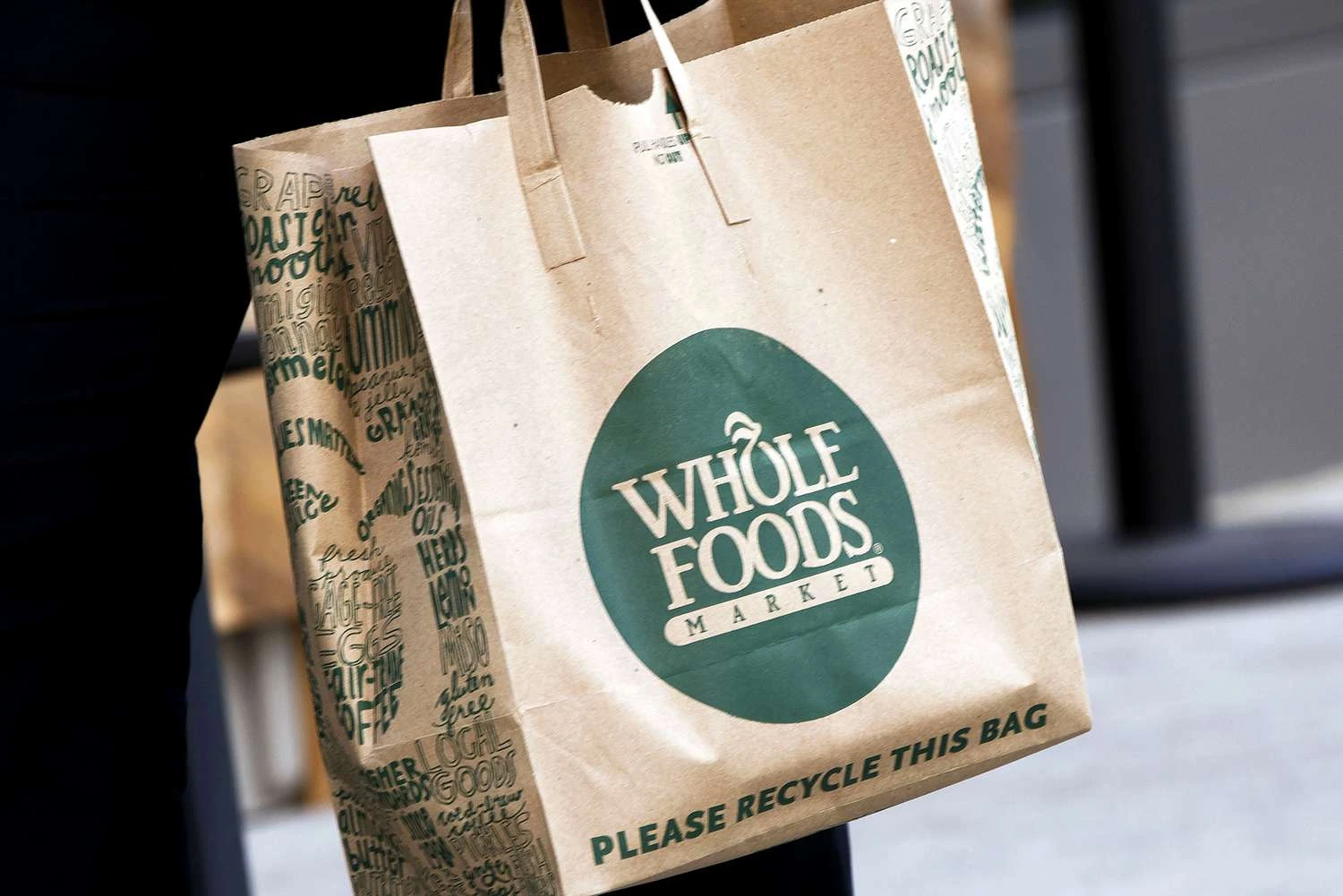
The $13 Billion Store
Whole Foods Market - The grocery store that revolutionized healthy eating and set new standards for quality.
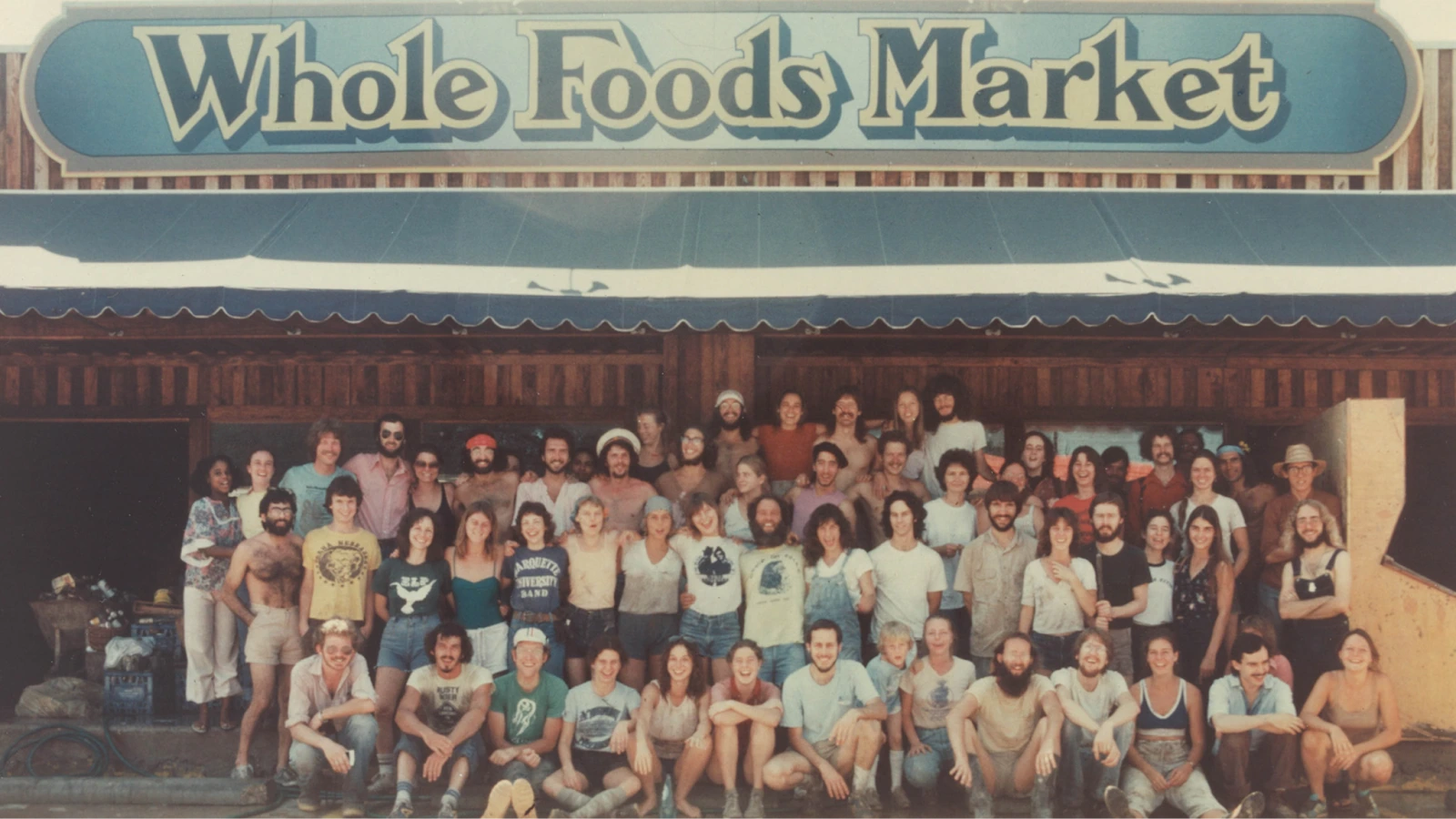
The Original Whole Foods in Austin, Texas
In 2017, Whole Foods solidified its position as a major player in the organic and natural foods market through a $13.7 billion acquisition by Amazon.
All while:
Maintaining its commitment to high-quality, natural, and organic products
Expanding its local food offerings by 30%
Introducing innovative technologies like palm scanning payments
How did they do it?
Is it their unwavering focus on quality? Their sustainability initiatives?
Or is Amazon's tech-savvy approach the magic ingredient?
Growing Organically
In 1978, college dropout John Mackey and his then-girlfriend opened a small natural foods store called Safer Way in Austin, Texas.
They had a simple yet powerful mission: to provide natural and organic food to the local community.
By 1980, they had expanded and rebranded to Whole Foods Market, offering a wider range of products while maintaining their commitment to quality.
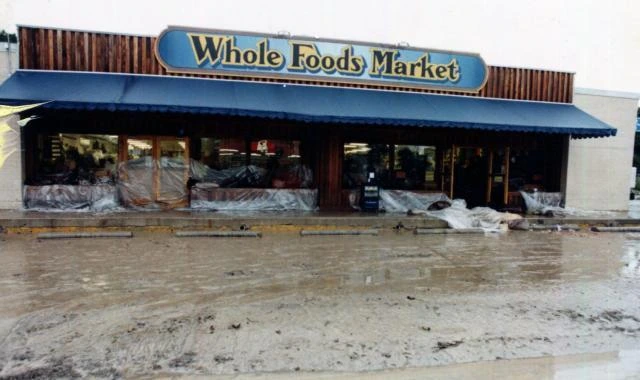
But in 1981, Austin experienced its worst flooding in 70 years. All of Whole Foods’ inventory was demolished. It was $400,000 down the drain, and Whole Foods had no insurance to help them recover.
What could have been the end for the health food store turned into a miraculous beginning. The local community rallied to support them, providing both financial help and volunteer labor.
By 1984, they had not only recovered but also added new locations, demonstrating the true power of community in a business’s success.
Whole Foods carved out a niche in the grocery market by being an early adopter of organic foods and plastic bag bans, setting it apart from competitors.
Whole Foods was named "America’s Healthiest Grocery Store" by Health Magazine in 2008.
Their focus on sustainability and high-quality products quickly gained them a loyal customer base. People who shop at Whole Foods are committed to paying a higher price for higher-quality food.
Asking Whole Foods Shoppers What They Do For A Living
Walking into a Whole Foods store makes customers feel good and healthy, a testament to their long-standing commitment to quality and community.
But what happens to a beloved store when it’s acquired by a giant like Amazon?
The Amazon Effect
In 2017, Amazon acquired Whole Foods for $13.7B, bringing significant changes and innovations.
Amazon introduced advanced payment technologies like palm scanning and checkout-free shopping, making the shopping experience more convenient.
Amazon wants you to Just Walk Out of Whole Foods now
Previously, the grocery store couldn’t lower prices without risking significant financial loss. However, with Amazon’s support, they can afford to reduce prices and wait for long-term returns.
Since Amazon, Whole Foods has also increased local food offerings by 30%.
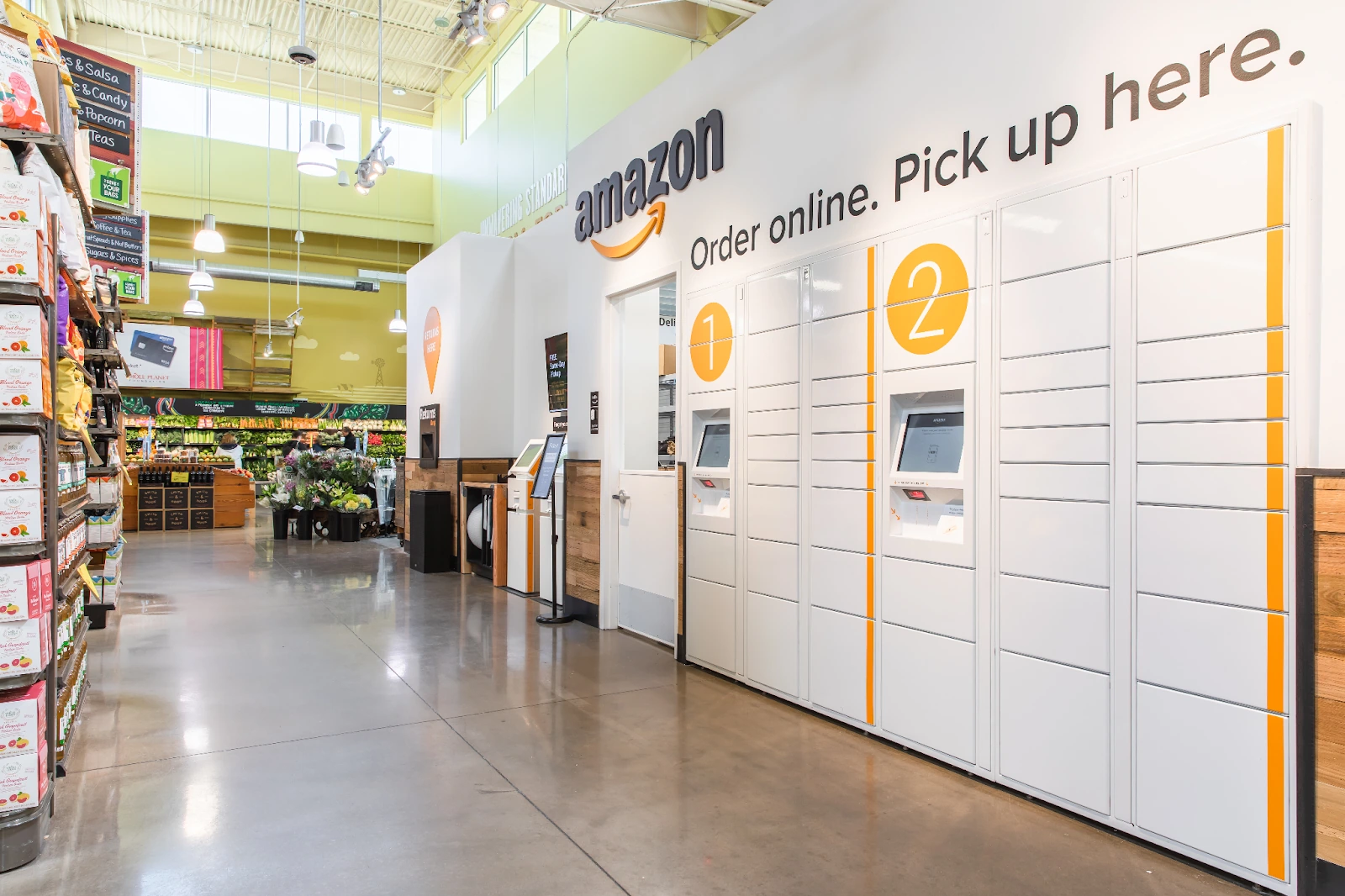
Amazon's influence is also seen in the new Amazon centers. People can now pick up their Amazon packages at Whole Foods locations.
After picking up their package, Amazon customers are more likely to shop at Whole Foods because it's convenient.
Amazon has also improved the Whole Foods delivery system. In 2020, Whole Foods delivered three times as many online orders compared to 2019. And Whole Foods now offers an easy curbside grocery delivery service for Amazon Prime members.
These innovations, combined with Amazon's business expertise, have reshaped Whole Foods' operations and customer experience, making it a more attractive option for modern shoppers.
But how does Whole Foods manage to keep its original commitment to high-quality under Amazon’s ownership?
Is Whole Foods Worth it?
Whole Food remains the first and only certified organic national grocer.
In over 40 years, their mission to provide high-quality products and use sustainable practices has not changed.
Whole Foods goes above and beyond what the USDA Organic label requires. They have banned over 250 food ingredients, including hydrogenated fats, high fructose corn syrup, and artificial sweeteners.
Their meat products are free from antibiotics and added hormones, ensuring top-notch quality.
The 365 brand, now owned by Whole Foods, helps cut costs and offers over 2200 products on its shelves.
In the past five years, Whole Foods has added 3,000 local brands, supporting smaller, local producers.
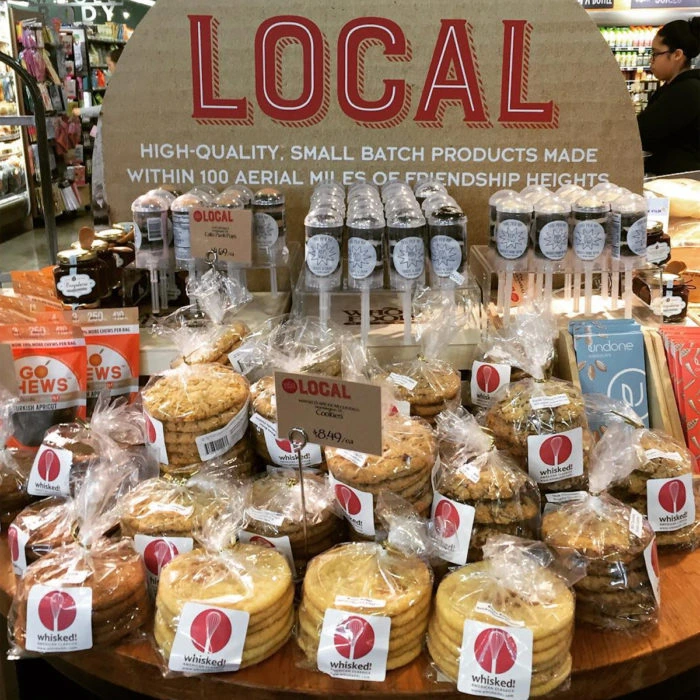
As a result, every Whole Foods store across the country offers a unique shopping experience. No two stores are the same.
Their efforts to reduce plastic usage further demonstrate their commitment to sustainability, appealing to environmentally conscious consumers.
Whole Foods banned plastic bags in 2008
Whole Foods' product quality and commitment to sustainability not only distinguish the brand in a competitive market but also attract a loyal customer base that values these principles.