Build the Future First
In 1973, Xerox had a computer with a mouse and a portrait display.
It was called the Alto. It came out of the company’s Palo Alto Research Center, where researchers were working on what people might do with computers in the years ahead.
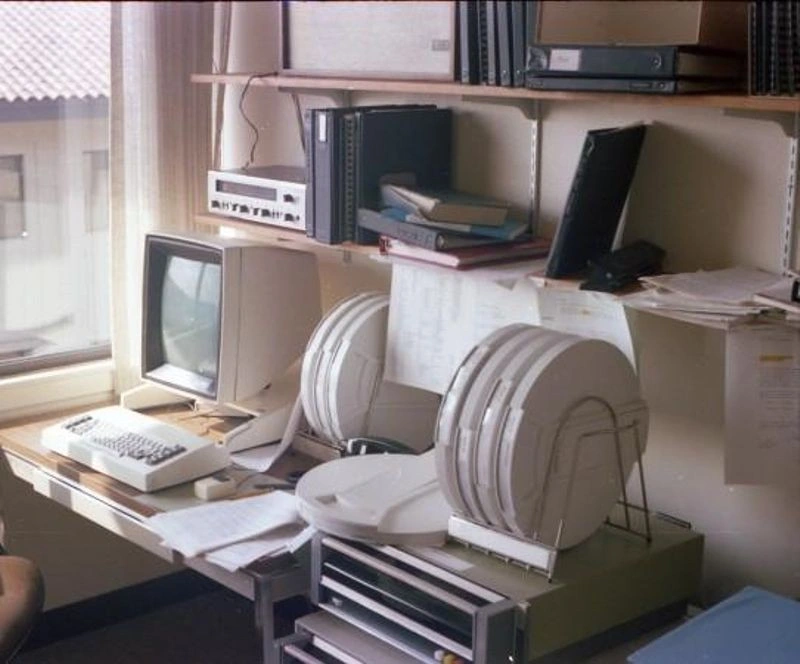
I like looking at the photographs because the machine makes the dates feel strange. The screen looks like a page. There is a keyboard in front of it and a pointing device beside it. A familiar arrangement, sitting in an unfamiliar year.
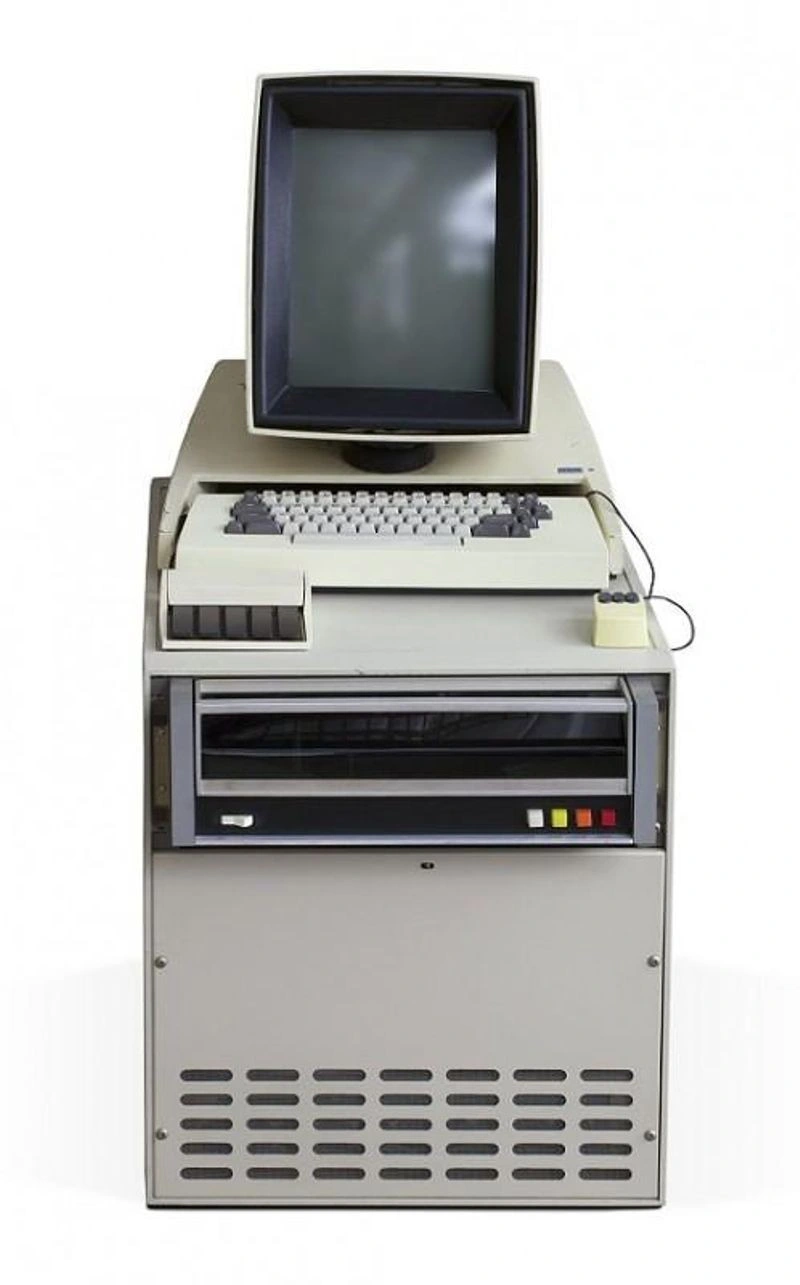
A working environment
The Alto was part of a much larger effort. People at PARC developed ways to edit documents on screen, draw, send messages and share printers over a network.
They were using the environment while they built it. A decision about the display could meet a decision about the software. The people designing the tools could see what happened when someone tried to work with them.
This is the part I keep thinking about in my conversations with Bill. It is difficult to judge a new way of doing something when all you have is a description of it.
A working version changes the conversation. You can point to the thing that is awkward. You can notice a possibility that wasn’t in the explanation. You can spend an afternoon with it and find out whether it stays interesting after the demonstration.
Steve Jobs sees it
Steve Jobs visited PARC in 1979. The graphical interface he saw there made a strong impression on him and influenced the direction Apple took with the Lisa and Macintosh.
The familiar version of this story is that Xerox invented the future and gave it away. That leaves too much out.
PARC was a large body of work made by many people. Apple already had people working on related questions. Getting an idea into a machine that could be manufactured, supported and used by customers required further design and engineering. Xerox also went on to ship the Star office system.
Jobs’ visit still matters. He could see something working that was much harder to communicate as a possibility. The experience gave him a clearer sense of what he wanted a computer to become.
Looking further out
When I read about PARC, I find myself thinking about the time horizon of the work.
A team can make every decision around the limits of the tools it has today. Those limits are real. They can also become habits that remain long after the limitation changes.
I want to know what a person should be able to do when the expensive part gets cheaper. When a response becomes fast enough to feel immediate. When a tool can hold more context without demanding more attention.
Then I want to build enough of it to find out which parts of that imagined experience are worth keeping.
The photographs of the Alto help. People were sitting down in front of those machines and doing work. The future they were discussing had somewhere to be tried.
Dan Ingalls demonstrates Smalltalk on the Alto at the Computer History Museum, November 10, 2017.
Watch on YouTube