Bet on Your Own Stories
A constraint can become the starting point for a different business model.
2 minute readBegin readingIn 2005 a company fresh out of bankruptcy borrowed $525 million against its own superheroes.
Marvel had filed for Chapter 11 in 1996, and it came out of it in 1998 into a strange position: it owned the most valuable characters in popular culture and made none of the films. Spider-Man belonged to Sony, X-Men to Fox, Hulk to Universal. Marvel collected a licensing fee while the studios kept the profits, and it spent the next seven years watching other people build franchises out of its own catalog.
David Maisel joined in 2003 to run a studio that made nothing, and his argument was that Marvel should stop renting out its characters and start financing its own films. The objection to that was obvious. These were films budgeted at up to $165 million each, and Marvel's entire company, comics and toys included, sold $390 million in 2005.
So he built the loan around the objection rather than arguing his way past it. Merrill Lynch put up $525 million to fund up to ten films, secured on the film rights to the ten characters nobody had licensed: Captain America, Nick Fury, Black Panther, Ant-Man, Hawkeye, Doctor Strange, Cloak & Dagger, Power Pack, Shang-Chi and The Avengers. Marvel put in no cash of its own, and if the films flopped the lenders took those ten characters and could touch nothing else in the company.
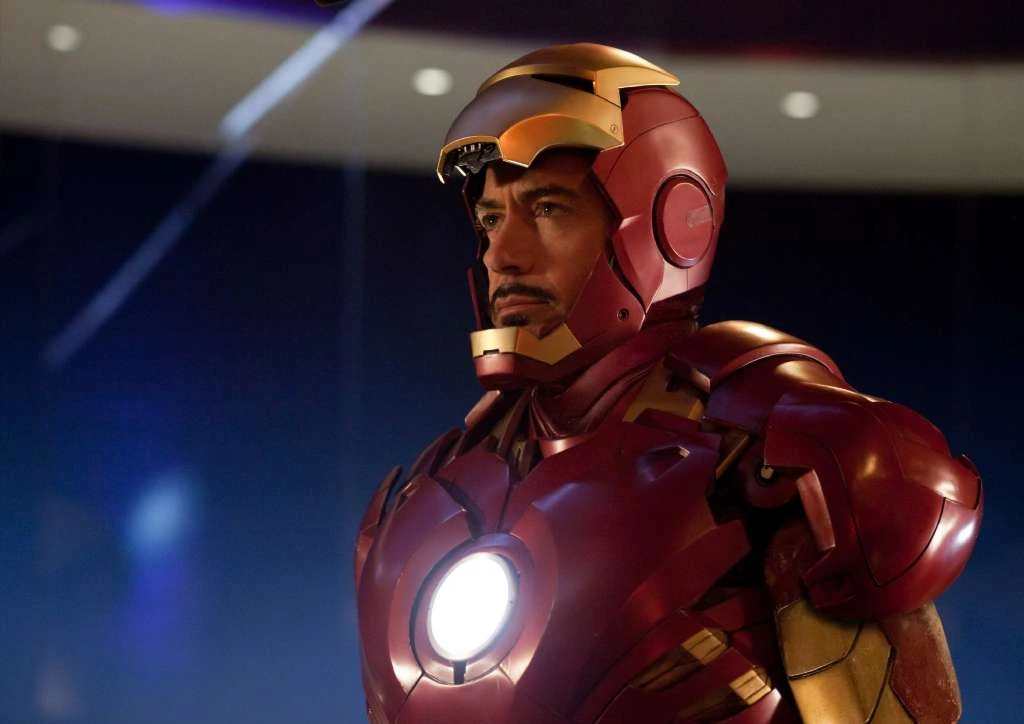
The first film off the slate was Iron Man, which wasn't even on the list. New Line Cinema had been sitting on those rights and let them go, so Marvel took them back and amended the facility in October 2006 to cover them.
Then came the casting. Robert Downey Jr. was a few years into a comeback the industry still treated as a risk, and the board wanted Timothy Olyphant instead, but Maisel pushed for Downey and got him.
Iron Man opened in May 2008, cost $140 million and made $585 million, and Disney bought the company sixteen months later for $4 billion. The ten characters a lender had once been ready to repossess became the core of a franchise that has since taken more than $30 billion at the box office.