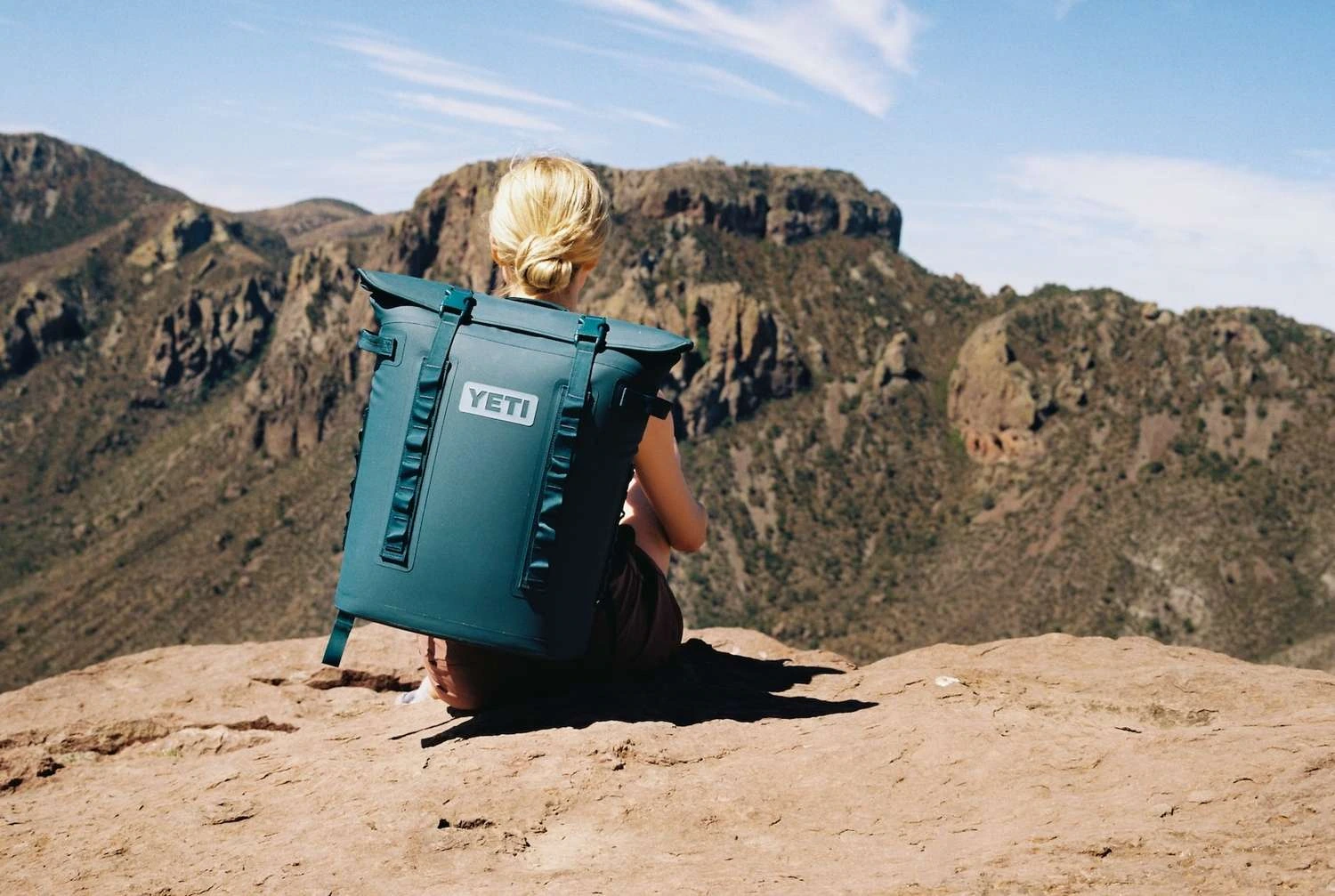
Built for the Wild
A premium promise needs a product and a distribution model that can sustain it.
6 minute readBegin readingRoy Seiders built custom fishing boats for a living. He used coolers as casting platforms and makeshift seats. But the cheap big-box coolers were not built for anything other than holding a 6 pack. After getting tired of breaking his cheap coolers, he and his older brother Ryan decided to build one that could survive it.
What they built cost roughly ten times what Igloo or Coleman charged for a cooler the same size, in a category that had never had a premium tier. Seventeen years later, that single pricing decision is why YETI can post gross margins that look more like a software company's than a plastics manufacturer's.
By fiscal 2023, YETI was booking close to $1.7 billion a year in net sales at a gross margin near 57 percent. a business built almost entirely on the belief that a cooler is worth premium prices.
Key figure: 9%
YETI's net sales growth in the second quarter of 2026, with adjusted gross margin expanding to 59.5 percent
A Business Built to Be Cheap
Coolers were built to be replaced. Category leaders Igloo and Coleman had spent decades optimizing for the opposite of durability: injection-molded plastic, thin foam, hinges that snapped within a season. All engineered to hit a shelf price at Walmart or Target that a shopper wouldn't think twice about. Roy Seiders wanted something tougher than a typical Igloo or Rubbermaid, and he couldn't find one anywhere on the market.
That gap persisted for a structural reason. Big-box retail rewards the lowest landed cost, not the best-built product, and a manufacturer selling a $300 cooler through the same store as a $20 one would get buried on the shelf next to it. Nobody had a distribution model built to support a premium price, which is why the category stayed a commodity for decades even though every owner of a cheap cooler already knew exactly how it would fail them.
YETI proved that building a premium brand doesn’t exempt you from the price trap. Net sales fell 22 percent in 2017, wholesale volume alone dropped 40 percent, and the swing rattled investors badly enough that it became a headline risk in YETI's own IPO story a year later.

The Ten Times Rule
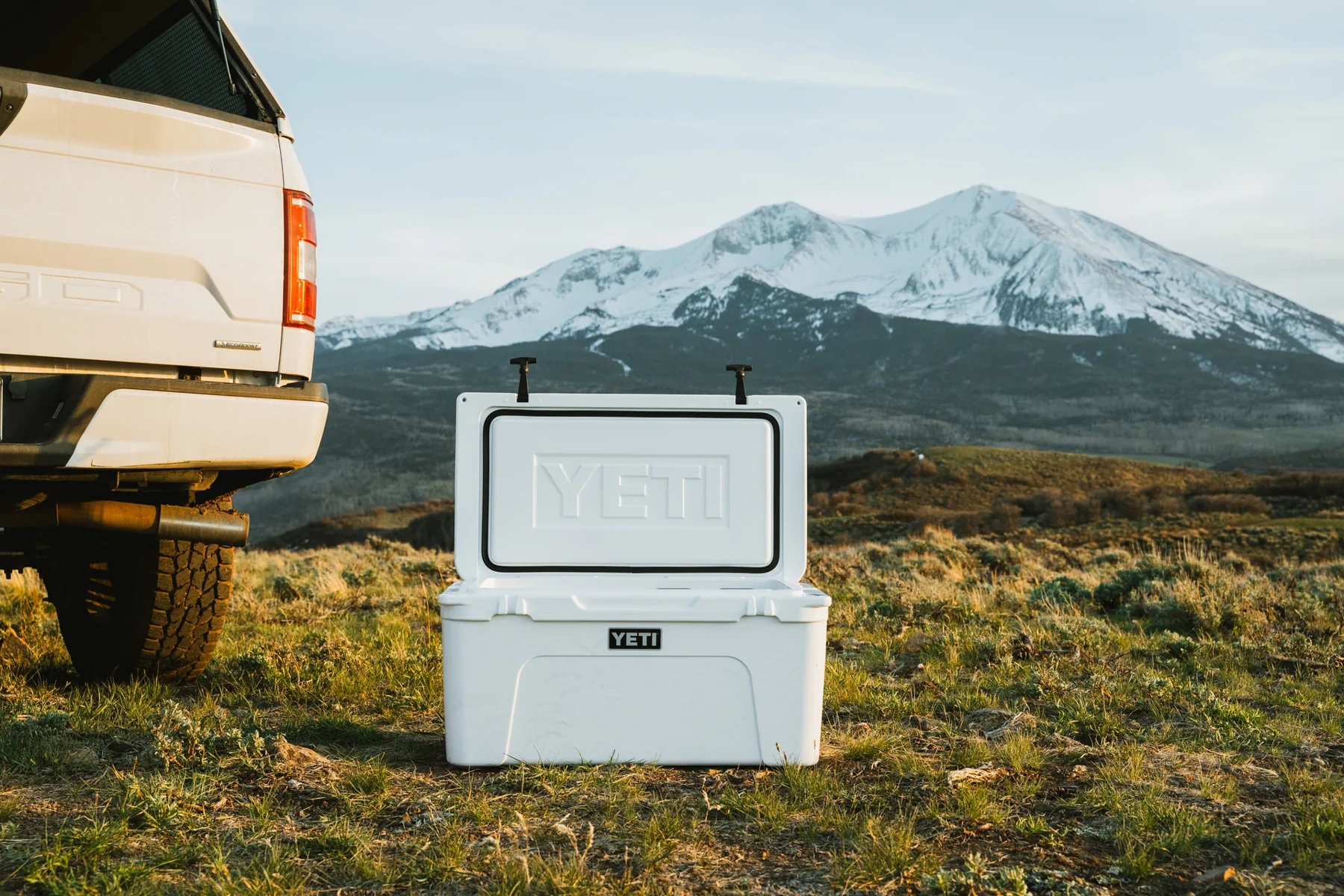
Roy and Ryan built the first Tundra cooler with a factory partner sourced through Ryan's fishing-rod business. They borrowed a rotomolding process from high-end Australian coolers, and priced the result at whatever it actually cost to build right. Roy later described the approach as a "10x rule": charge roughly ten times what a commodity competitor was asking. The higher price made the cooler more desirable. It’s the same effect that shows up in prestige goods. In 2012, private equity firm Cortec Group bought roughly two-thirds of the company for $67 million, funding the manufacturing and marketing that turned a cult product into a national brand.
The marketing strategy was also much different: instead of buying celebrity endorsements, YETI paid a growing roster of hunting guides, anglers, surfers, and pitmasters to use its gear and tell their own stories about it. The ambassador program started with two communities in 2006, fishing and hunting. By 2023 it grew to roughly 200 ambassadors across 15 communities., This “hidden” direct-to-consumer channel rose from 8 percent of revenue to 59 percent in under a decade. Selling straight to the customer meant nobody else could set the discount.
Holding a premium price also meant defending it in court. When RTIC launched in the mid-2010s selling near-identical coolers at half the price, YETI sued for patent, trade dress, and trademark infringement; the two sides settled in February 2017, with RTIC agreeing to pay YETI, stop selling the disputed products, and redesign its lineup. Three years later, YETI and Amazon jointly sued sellers of counterfeit Rambler mugs on the marketplace, and Amazon closed the sellers' accounts and refunded buyers. A ten-times price only survives if nobody can quietly sell an eight-times knockoff next to it.
The Luxury Stress Test
YETI went public on October 25, 2018, pricing shares at $18 and valuing the company at roughly $1.7 billion, below the range it had originally marketed to investors. The stock had a rough first two months, bottoming near $12 that December, before the underlying growth story took over: net sales climbed from $639 million in 2017 to $1.66 billion by 2023, at a 56.9 percent gross margin. By November 2021, the stock had run to an all-time high above $108.
The real test came in 2022. YETI recalled nearly 2 million Hopper soft coolers and gear cases after their magnet-lined closures could fail and release magnets that posed a serious ingestion hazard. The mess cost $128.9 million in operating income and dragged that year's gross margin down to 47.9 percent. YETI absorbed the hit, redesigned the product line, and rebuilt margin the following year rather than discounting its way back to volume.
The recovery held. Net sales reached $1.83 billion in fiscal 2024 and $1.87 billion in fiscal 2025, and by the second quarter of 2026 YETI was still growing sales 9 percent with adjusted gross margin expanding to 59.5 percent. The company has been funding its own growth ever since, backing a $450 million share buyback authorization with free cash flow instead of outside capital.
Drinkware, the category that made YETI a household name, now faces real competition from Stanley and Owala in an increasingly promotional market, and YETI's answer has been to keep expanding into bags, backpacks, and cookware rather than cut prices to defend share. The rule that started with a $300 cooler still governs a business worth billions: charge for what it's worth, and let somebody else fight over the discount bin.
Key takeaways
Use Price as a positioning decision, not a cost calculation. YETI's "10x rule" worked because a high price signaled durability and status. A cooler priced like a commodity would have been judged like one.
Owning distribution is the only way to protect a premium price. YETI's 2017 crash happened in the one channel it didn't fully control, wholesale. The fix was building a direct relationship with customers that nobody else could discount out from under it.
A moat needs upkeep, not just a moment of invention. Beating RTIC in court and absorbing a nine-figure recall weren't one-time wins. They were the recurring cost of staying premium, and YETI budgeted for both instead of treating them as emergencies.
By the numbers
$1.7 billion - YETI valuation on October 2018 IPO day
56.9% - YETI’s gross margin in fiscal 2023
59% - Share of revenue coming directly from consumers in 2023
$1.87 billion - YETI’s net sales in fiscal 2025
9% - YETI’s Q2 2026 net sales growth
200 Brand Ambassadors - Their strongest Direct-to-Consumer channel